


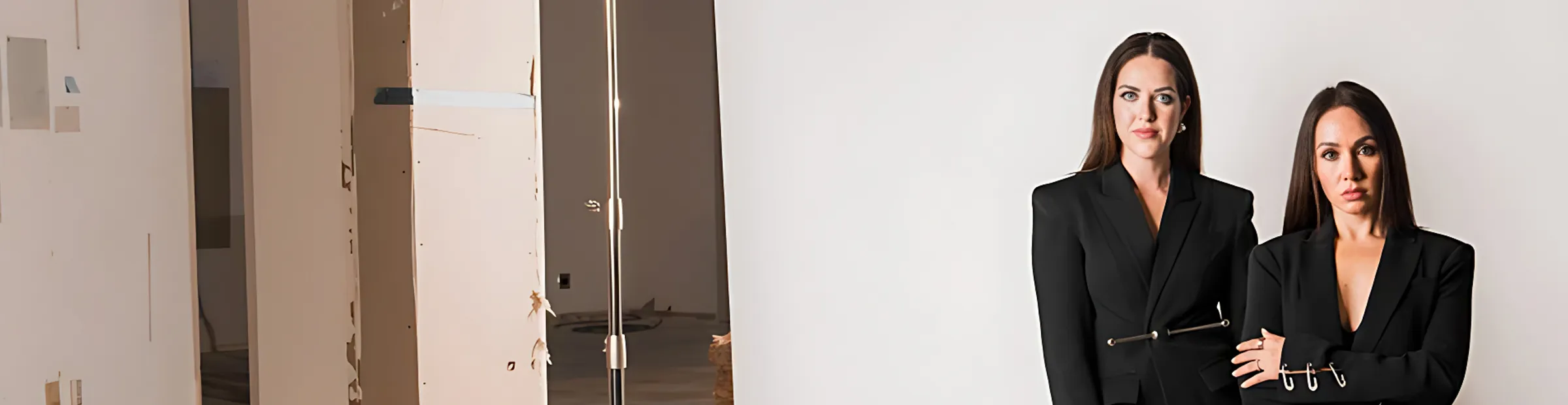


Adoption can be a very complex area of family law. It is important that you know the specific steps that you must take in order for the process to go as smoothly as possible. At Contreras Law Firm, our San Diego family lawyers focus our adoption practice on adult and stepparent adoptions for clients throughout San Diego County and the surrounding area.
Meet Contreras Law Firm’s Adoption Attorneys



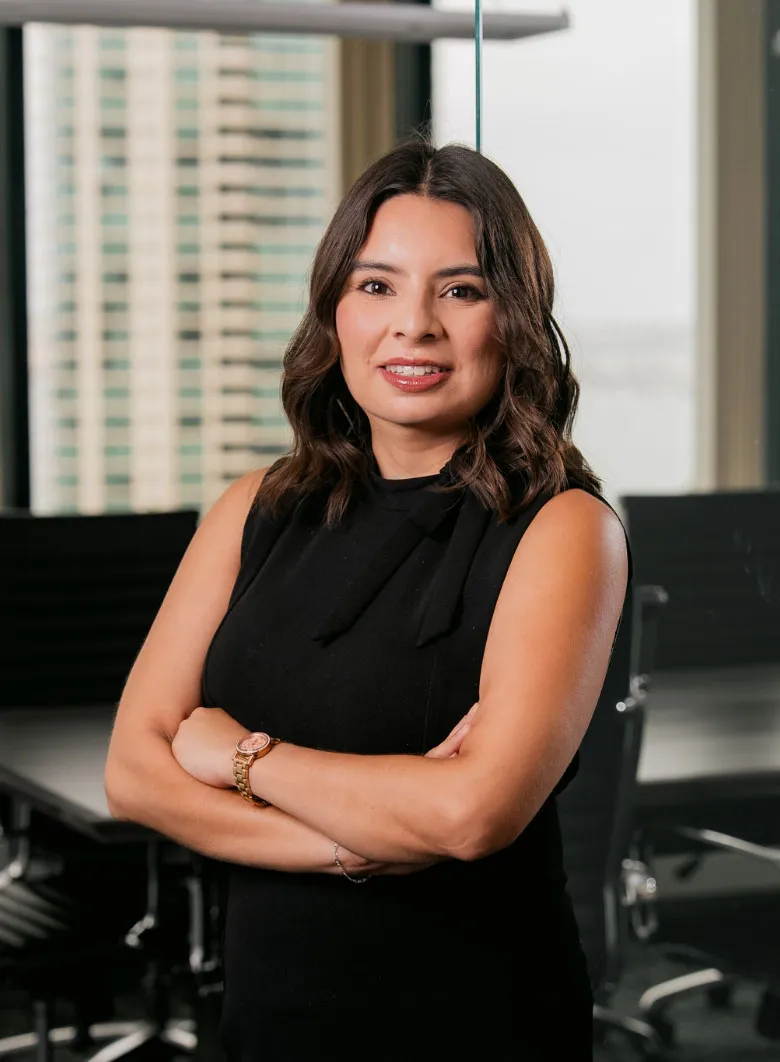


What Are Stepparent Adoptions?
Stepparent adoptions tend to be more common than adult adoptions. They can be more complex from a legal perspective and require specific approvals before they are allowed to proceed. Some of the California requirements that you must meet before you can adopt a stepchild include:
- You must be married to the child’s biological parent
- You must be at least 10 years older than the child (could be waived in some cases)
- If the child is over 12, he or she must consent to the adoption
A stepparent adoption frequently involves the termination of a biological parent’s rights. After the adoption, the stepparent has all the custodial rights and responsibilities of a biological parent, and the biological parent who lost those rights no longer has a legal relationship with the child. Once stepparent adoption is finalized, it cannot be revoked except in very rare circumstances. This adoption is not terminated if the stepparent and biological parent divorce.
What is a Contested Stepparent Adoption?
In California, a contested stepparent adoption is when a stepparent wants to adopt their spouse’s child, but the other biological parent refuses to give their consent. Instead of a straightforward paperwork process, things become much more complicated because the objecting parent insists on keeping their own parental rights.
With an objection, the case has to go to court. The court must hold a hearing to review whether the objecting parent’s rights should be ended.
To win in court, the stepparent and the child’s other parent must give evidence of specific grounds that would warrant termination, such as:
- Abandonment: Showing the objecting parent has gone a year or more without providing support or maintaining any contact with the child.
- Unfitness: Patterns in the objecting parent’s life, like serious substance abuse, neglect, or unsafe behaviors.
Ultimately, judges don’t just consider lost contact; they weigh what is truly in the child’s best interest.
What is an Adult Adoption?
California allows one adult to adopt a younger adult to form a parent-child relationship. This legal adoption does more than simply create a relationship. It gives both parties increased rights and responsibilities, including inheritance rights. Adults often turn to adoption to protect certain estate assets or deal with complicated estate planning issues.
Client Testimonials

What Are the Seven Stages of Adoption in San Diego?
Understanding the stages of adoption is important for anyone considering this route.
1. Picking Your Adoption Path
Start by deciding which adoption method fits you best – foster-to-adopt, agency adoption, or private adoption. Each path has different requirements and steps, so knowing which path you will take is important.
2. Learning the Basic Adoption Requirements in California
Make sure you know all of the requirements you must meet. To adopt in California, you must be at least 18, pass a background check with fingerprints, finish a safety-focused home study, and take the required training classes.
3. Connecting With a Local San Diego Adoption or Foster Agency
Most families partner with an adoption or foster agency for help. Agencies offer training, counseling, conduct required evaluations, and assist with finding a match.
4. Completing a Home Study
A social worker visits your home, interviews household members, reviews finances, makes sure everything is safe for a child, and gets medical records. The home study ensures your family is prepared and can provide safe, loving care.
5. Attending Pre-Service Adoption Training
Adoptive parents take classes covering topics like trauma, attachment, child development, and the realities of the foster/adopt system. This training gives you useful tools to understand and support adoptive children.
6. Matching With a Child and Placement
Once approved, your agency helps connect you to a child needing a permanent home. After placement, the child comes to live with you as you move through the process.
7. Finalizing the Adoption
After successfully settling into your new family structure, final legal steps are required – a court hearing, required paperwork, and finally, receiving your adoption decree – making the child a permanent, legal member of your family.
awards & accolades
What Will Disqualify You From Adopting in California?
What Will Disqualify You From Adopting in California? Some factors automatically prevent you from adopting in California, while others may raise concerns but could be overcome if you show evidence of positive change. Some of the primary disqualifies include:
- Felony convictions for child abuse, abuse of a spouse or partner, sexual crimes (including child pornography), or serious violent crime (like murder or rape)
- Ongoing illegal drug use or untreated alcohol addiction
- Any history of child neglect or abuse
- Serious or unmanaged medical or mental health problems making you unable to care for a child safely
- Severe financial trouble or not being able to meet a child’s basic needs
- Not meeting the minimum age requirement
Some issues that can be major red flags but may be able to be overcome with the right evidence and documentation include:
- Older property crimes such as burglary, robbery, or arson if you provide solid proof of rehabilitation
- Past substance abuse issues may be overlooked if you’ve completed recovery and shown a long period free from relapse
Ultimately, applicants must prove they can give a child a stable, loving, and safe environment. The more serious or recent the offense or problem, the less likely it is that adoption will be approved.

Need legal assistance regarding your family law case?
Contact Contreras Law Firm at (619) 238-0616 for a free case consultation.
How Much Does an Adoption Cost in San Diego?
Adoption costs in San Diego depend heavily on the type of adoption you choose. Foster care adoption is usually the least expensive option, with little to no direct fees required. The state generally provides a monthly stipend to help with the child’s needs.
Private or domestic infant adoption costs are typically much higher, often totaling $25,000 to $65,000 or more, since you’re responsible for agency fees, legal services, the birth mother’s expenses, and possibly counseling.
Independent (or private) adoptions, done with help from an attorney but without an agency, usually run between $25,000 and $45,000, covering legal work and support for the birth mother as well as other costs. Stepparent adoptions are much more affordable, with legal and filing fees for a minor generally around $3,000 to $4,000.
Schedule A Free Consultation To Discuss Your Adoption Needs
If you are considering an adult adoption or a stepparent adoption, please call our office today at 619-238-0616 or send us an email. Our attorneys will help you draft all of the necessary documents and answer any questions you might have regarding the process or your rights after the adoption is finalized.